I recently read a post – Hypothetical Value and Real Value by Fred Wilson, partner at USV. It was thought provoking – not only its comparison of tangible and yet-to-be-tangible business scenarios – but also in its potential application to other areas;
- how we spend our time
- the choices we make in prioritizing business activities
- where we put our personal investments
- decisions we make with raising our kids
- …
It’s often difficult to know for sure where the best bets are placed, what you should invest in (time, money, effort). The “sure bet, no regrets” are often the baby steps in choosing where to put resources, but at one point you’ve got to make a decision on a direction. The balance between real and hypothetical value can help to bring perspective to that decision:
- what are we actually valuing?
- what are the trade offs?
- what’s the risk/ reward profile
- value today vs. tomorrow
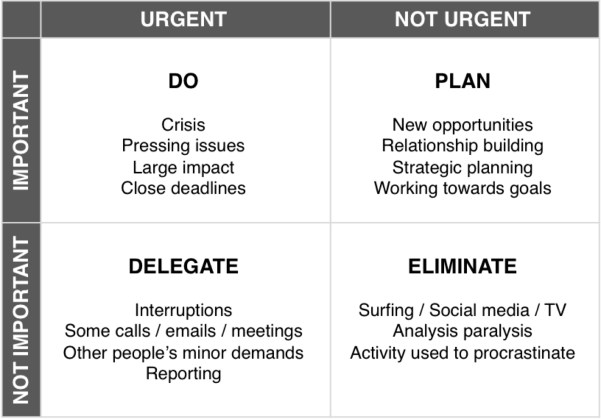
I find it helpful to understand how thinkers and doers from a variety of disciplines approach decision making. Let’s use time as the example. If I were thinking about the “real value” of time, it’s in the direct trade off to some tangible value – work for pay, exercise for endorphins, tutoring a child. The “hypothetical value” of time is a future state bet – the things we can’t see today. Some of the actions may be the same – exercise leads to better health, lower healthcare costs in the future, greater longevity. Building skills which may not be as visible today and are a lot of work could yield tremendous benefit in the future. Spending time with a child to nurture brings joy (or not) in the short term, but a supported child returns 10x in their future life experiences.
How do you think about your investment decisions? Food for thought.
 The Objective Co